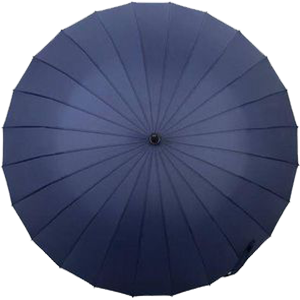
Your Umbrella
Planning
for the future is like carrying an umbrella on a cloudy day. You know that if
you take your umbrella, you’ll be schlepping it around without a drop of rain
in sight.
But leave it behind…deluge!
In Texas, where anything can happen in the legislature on any given day (not to
mention what’s happening in Washington DC), proper planning allows you to
overcome these obstacles by contracting around Texas’ bad laws, creating the
legacy that you deserve.
Why Legacy Planning Matters
Legacy
planning is essential for everyone, but Texas's legal landscape – complex and
often hostile – presents unique challenges. Proactive asset protection becomes
even more critical when you consider potential changes in healthcare,
employment, and family law that elevate the need to make advance healthcare
decisions and long-term caregiving arrangements.
Despite 2015’s landmark Supreme Court decision in Obergefell v. Hodges , which
brought nationwide recognition for same-sex marriages, many LGBTQ2SIA+ individuals
still face significant challenges in employment, retirement, and estate
planning. Legal discrimination persists and recognition of non-traditional
relationships is not uniform.
Let’s
take a look at the umbrellas
you might choose
to keep for your rainy days.
Your Essential
Legal Documents
Powers
of Attorney:
Texas recognizes two different powers:
- Medical PoA for medical and healthcare decisions
- Financial PoA for financial and legal decisions
Powers
are typically used during a short-term disability that temporarily prevents you
from making your own decisions, but from which you are expected to recover.
Spouses are often presumed to have power of attorney, but expressly granting
this power in writing ensures that the person who needs the decision-making
power has that power when they need it and before it is too late to give it,
especially if you’re dealing with religiously-affiliated hospitals.
Guardianship
Declaration:
IRL,
guardianships are not as common as celebrity gossip might have you believe, but
they are not unheard of.
- Medical PoA for medical and healthcare decisions
- Financial PoA for financial and legal decisions
In the event that you become permanently incapacitated
and a judge decides that someone must be appointed to handle your affairs, a
Guardianship Declaration – also known as a Pre-Need Declaration – allows you to
tell the court who to appoint. Having this declaration can prevent an expensive
and timely legal battle.
Living Will:
Perhaps
the most common advance directives, the Directive to Physician – also known as
a Living Will – typically governs your end-of-life decisions but can also be
used to communicate your medical treatment preferences any time that you are
not able to communicate them yourself.
- Do you want all extraordinary measures to keep you alive as long as possible?
- Do you want to be made comfortable and allowed to die naturally?
It’s important to discuss your choices
with your doctor and your loved ones before it’s too late to ensure that
everyone understands what you would choose if you could.
Last
Will and Testament:
Who inherits the dungeon when you die?
Used
with other legacy documents, the Last Will and Testament becomes a beautiful
flugelbinder, holding your umbrella closed.
Your
Will is a set of instructions specifying how your probate assets are to be
distributed and by whom. Clear instructions can prevent disputes and ensure
that your chosen family is taken care of in the manner that you desire.
Partnered with careful beneficiary designations, a properly executed Will can
streamline the probate process.
Agent
to Control Disposition of Remains:
IMHO, this is the most important and powerful document that any person can have.
According
to the National Funeral Directors Association, in 2023, cremation was preferred
to burial 60% of the time. Because cremation is irreversible, in the absence of
paperwork, the default is burial.
In
Texas, if you die without a written document appointing someone to make
decisions about your remains, your “next of kin” will have the right to control
what happens to your body.
“Next of kin” typically means: your surviving
spouse, then your adult children, then your parents and adult siblings. Is this who you want making your last decisions ever??
Depending on your family dynamics – and the state of Texas’ current laws – this
could be a nightmare. The Agent to Control document is the easiest way to
memorialize who you want making decisions and instruct that individual about
what decisions you want made.
Hospital Visitors:
If COVID taught us anything, it is that people don’t always
act compassionately in the face of a crisis.
No one deserves to be left alone because decisions were taken out of
their hands.
- The visitor authorization form allows you to designate your “family”
regardless of what anyone else thinks.
You can designate individuals like partners, best friends,
or chosen family members, even if you aren't legally married or traditionally
recognized as kin.

Everyone
Has Something to Protect
Even
if you think you have nothing worth protecting, you do. And life has a way of
changing, often when least expected. Taking the time to create a thoughtful and
meaningful plan ensures that you live your intended legacy, and your loved ones
are cared for in the manner in which you want them to stay accustomed.
Take
Action Today
Creating
a comprehensive legacy plan is an investment in your peace of mind and your
family's future. Don't wait until it's too late to have this difficult
conversation.
Building
a Bulletproof Plan
Given
the potential for hostile family members (and legislators) to challenge your
wishes, consider “bulletproofing” your estate by creating a comprehensive
legacy plan that expressly names the individuals that you want handling your
affairs, and provide those individuals with specific instructions that apply to
a variety of situations.
The Fine Print
I hope you
found this article useful. The
information is provided for informational and entertainment purposes only; this
is not legal advice. Reading this
article does not create an attorney-client relationship between the reader and
the author. Please seek appropriate
legal advice before acting (or refraining from acting) based on this article’s
content. Remember, I am “an”
attorney. I am not (yet) “your”
attorney.